5 Children’s Books That Spark Creativity and Emotional Expression (Plus Easy Art Activities!)
At Give Kids Art, we know that art and literacy go hand-in-hand. A great book can do more than just tell a story; it can open a door to a child’s inner world, helping them process big feelings and dream about big possibilities.
If you’re looking for ways to nurture your child’s creative spark at home, these five books are the perfect starting point. We’ve paired each one with a simple, "low-mess" art activity that requires nothing more than basic supplies and a fearless imagination.
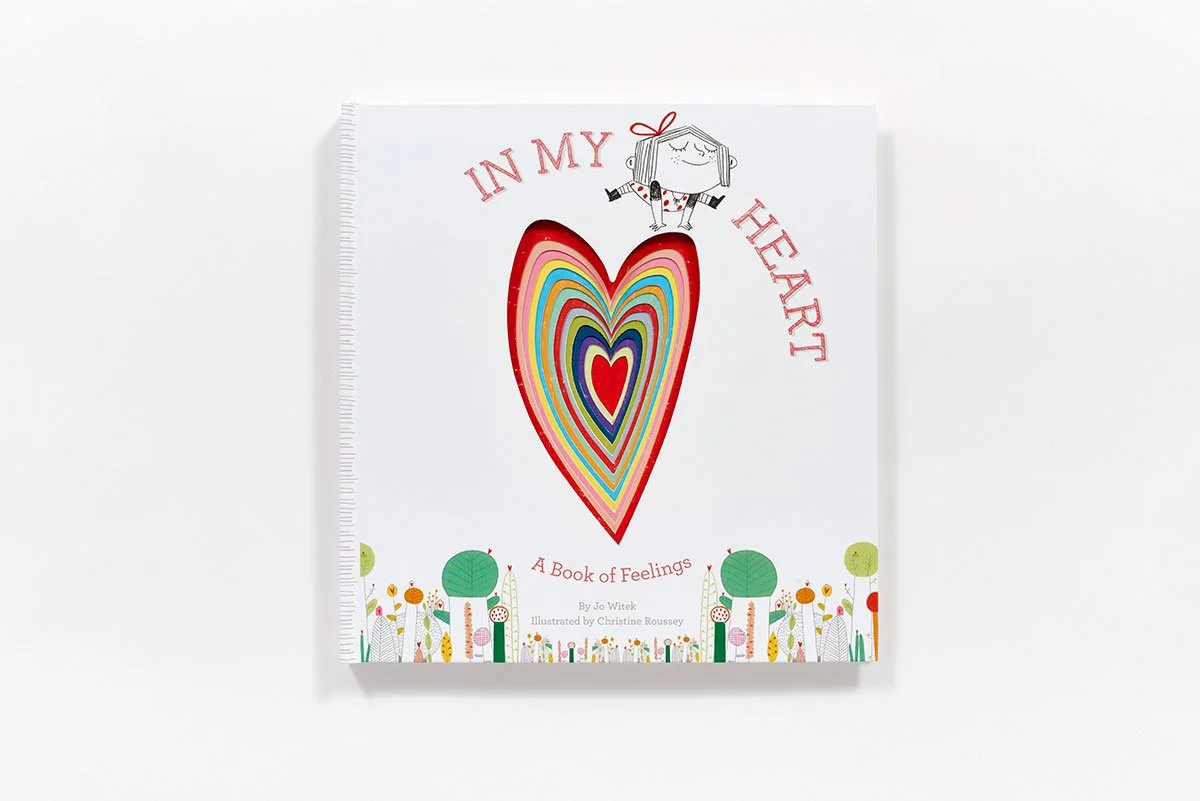
1. In My Heart: A Book of Feelings by Jo Witek
This beautiful book explores how emotions feel physically — from a heart that feels as heavy as an elephant to one that feels shiny and bright like a star. It’s the perfect tool for building emotional literacy.
The Activity: "What’s In Your Heart?"
How to do it: Draw a large heart on a blank piece of paper. Ask your child to take a quiet moment to notice how they are feeling and choose a color for each feeling. Then, ask them to fill thee heart with those colors.
The Goal: To show how art can be a safe, easy place to express what’s inside and put big feelings. (Check out our full guide on this activity here!)
Supplies: Any coloring tools – markers, crayons, or even paint.
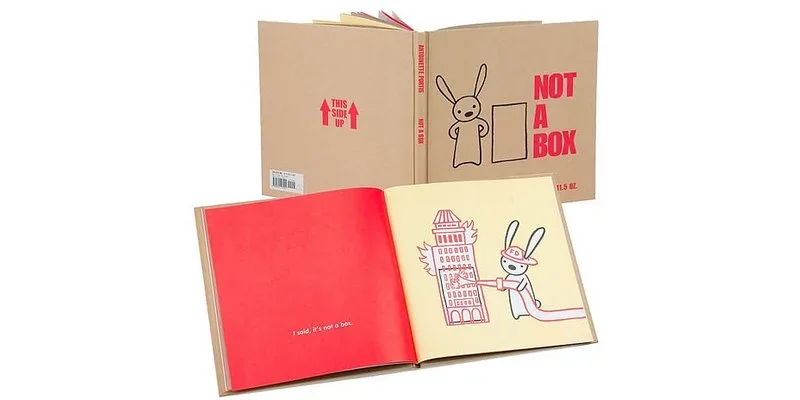
2. Not a Box by Antoinette Portis
A classic for a reason! This book follows a rabbit who insists that a simple cardboard box is actually a mountain, a rocket ship, a burning building, etc. It celebrates the power of divergent thinking.
The Activity: "This Is Not a Rectangle"
How to do it: Provide a page with a simple black rectangle printed or drawn in the center. Ask the question: "What is it?" and let them transform the shape into anything.
The Goal: To exercise the imagination and move past the "obvious" answer.
Supplies: Pen, pencil, crayons, or markers.
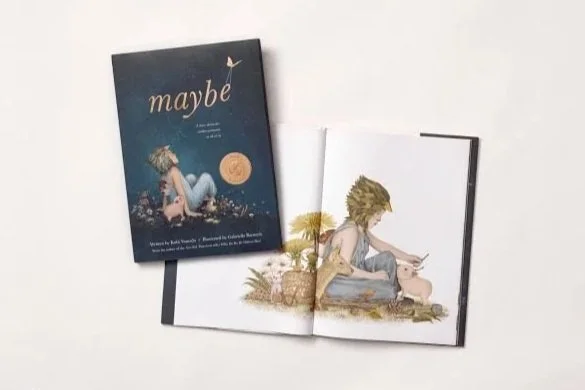
3. Maybe by Kobi Yamada
This is a stunning book about the endless potential within every child. it asks: Why are you here? What amazing things might you do? It’s a wonderful prompt for dreaming big.
The Activity: "The 'Maybe' Dreamscape"
How to do it: Start with a 1-minute "guided dreaming" session. Have your child close their eyes and imagine a place where they can do anything. Then, have them draw that "maybe." Remind them: Maybe you don't know what you're here for yet and that’s the most exciting part!
The Goal: To encourage self-reflection and big-picture dreaming.
Supplies: Any materials that make them feel bold (like oil pastels or glitter).
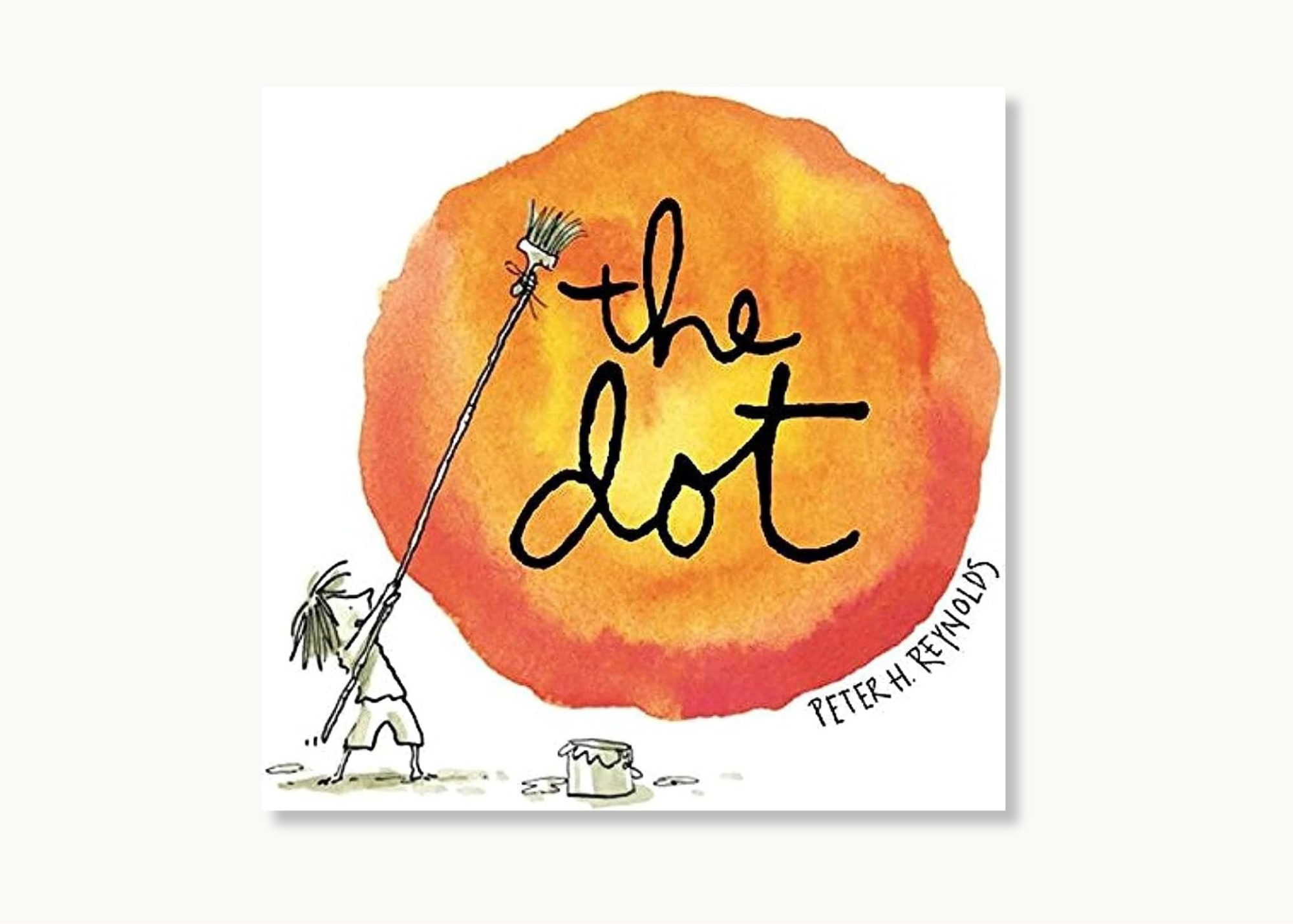
4. The Dot by Peter H. Reynolds
This is the ultimate book for the child who says, "I can't draw." It starts with a single dot on a piece of paper and ends with a gallery full of creativity. It teaches that the hardest part is just starting.
The Activity: "The Great Dot Gallery"
How to do it: Draw one simple dot on a page and see where it takes you. Can you make a "swirly" dot? A "polka-dot" dot? A "neon" dot? Just like in the book, make sure they sign their name at the end!
The Goal: To overcome the "fear of the blank page" and celebrate their unique mark.
Supplies: Pen, crayons, markers, paint, or even stickers.
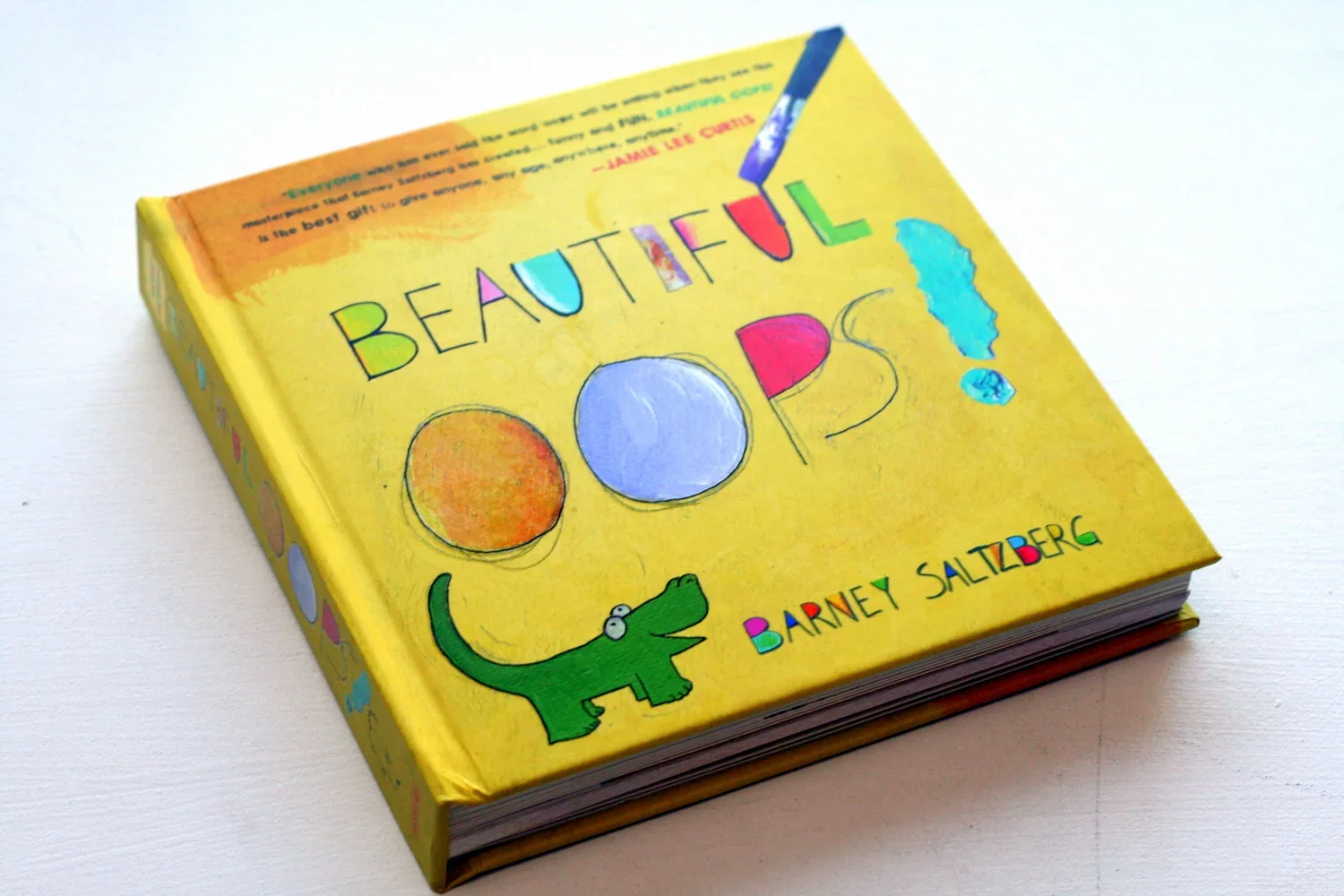
5. Beautiful Oops! by Barney Saltzberg
This book is a "must-have" for perfectionists. It shows how a tear in a paper, a spill of paint, or a smudge can be the beginning of something beautiful.
The Activity: "Make a Beautiful Oops"
How to do it: Intentionally create a "mistake" on a piece of paper—a big scribble, a smudge of paint, or a small tear. Tip: If your child is nervous about "messing up," have them close their eyes while they make the mark! Then, challenge them to look at the shape and turn that "oops" into something they find beautiful, such as an animal, a flower, a character, or a landscape.
The Goal: To build resilience and teach that there are no "wrong" answers in art.
Supplies: Anything you have on hand! You can scribble with crayons, markers, or pens, or use "messy" materials like paint, ink, or scraps of paper.
Why Pair Books with Art?
When children engage in process-based art after reading, they are practicing "divergent thinking" — the ability to find multiple solutions to a single problem. As we mention on our Why Art page, this type of creative exercise is what keeps that "creative genius" alive as children grow.
Which of these books is your favorite? Tag us on Instagram @GiveKidsArt to show us what your little ones created!